- Cybersecurity
-
-
PARTNERS
- Homeland Security
-
-
HOMELAND SECURITY
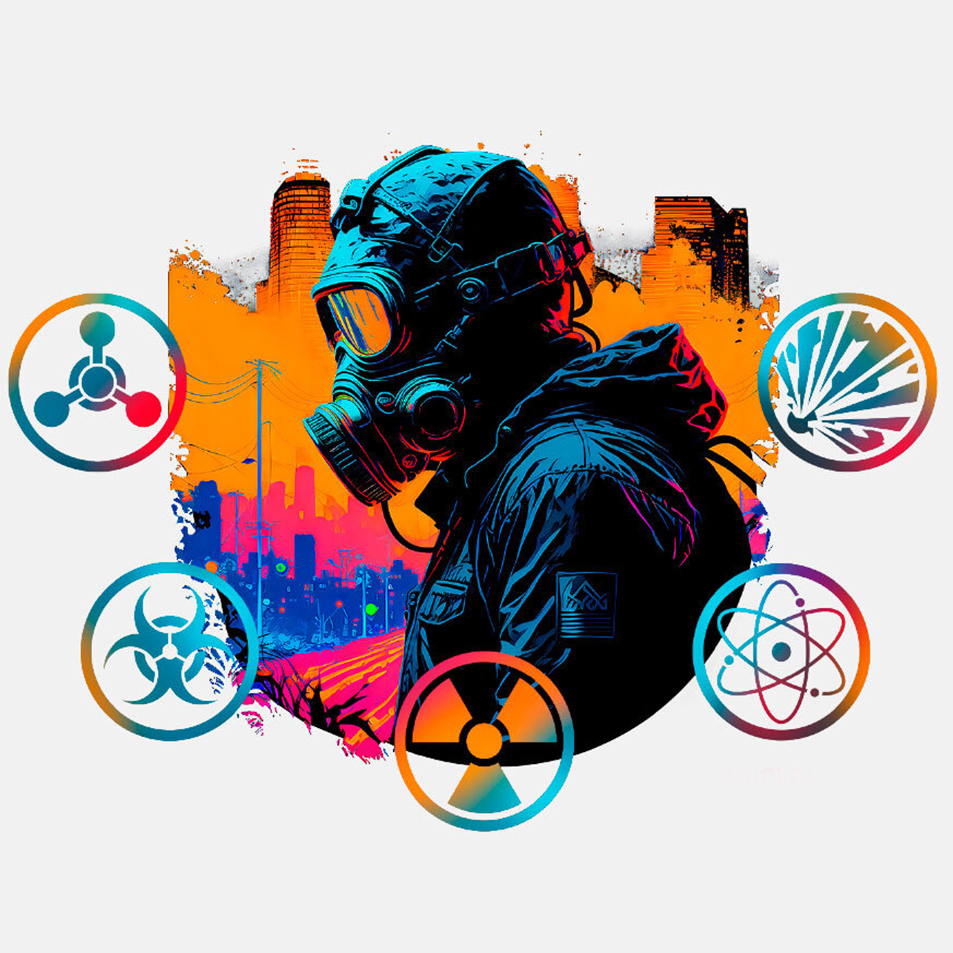
Chemical. Biological. Radiological. Nuclear. Explosive. WMDs. Asymmetric Threats.
The CBRNE-WMD credentials program is a robust training series designed to prepare early and developing professionals for the complexities of a dynamic and evolving threat environment. Three interdependent certificates that deal with policy, mitigation, and emerging threats will propel you towards an immersive capstone in Washington, D.C. and the next steps in your career protecting our nation.
-
-
TUESDAY, FEBRUARY 3rd, 2026
Cybersecurity, Stronger Together 2026
Converging Threats & Shared Defenses
The George Washington University’s College of Professional Studies (CPS), and The Cyber Guild have joined forces to bring together leaders, experts, and innovators in the cybersecurity space through the Cybersecurity, Stronger Together Conference series. This collaborative annual event has quickly become a cornerstone for fostering dialogue, driving innovation, and strengthening partnerships across sectors to combat emerging cyber threats.
Register now through January 22 for the $99 early bird special!
LEARN MOREIf the event of a lifetime came under a cyber attack and people got hurt, what would you do? On February 3 you’ll find out. An immersive learning experience with experts responsible for incident response. Cybersecurity, Stronger Together Conference 2026 – Converging Threats & Shared Defenses.
BE THERE
REGISTER NOW
Tuesday, February 3rd, 2026
CYBERSECURITY, STRONGER TOGETHER 2026:
CONVERGING THREATS & SHARED DEFENSESCo-Sponsored by GW’s College of Professional Studies and The Cyber Guild


The Threat of Cascading Failures
Critical infrastructure no longer operates in silos. Energy, transportation, communications, healthcare, finance, and emergency response systems are deeply interconnected—and when one fails, others can quickly follow. Cyber incidents, natural disasters, and human-made crises can trigger cascading failures that ripple across communities, economies, and entire regions. Even a single disruption can escalate into a large-scale event when systems are tightly linked.
Cybersecurity: Stronger Together examines these risks through a real-world scenario centered on the Los Angeles Olympic and Paralympic Games in 2028 (LA28). The conference explores how critical infrastructure serves as the backbone of society and why major global events depend on rigorous preparedness, coordinated planning, and resilient execution. Hear from leading experts in cybersecurity, emergency preparedness, and homeland security as they share how organizations are preparing for LA28—by learning from past disruptions, addressing today’s threats, and anticipating what lies ahead.
At Cybersecurity, Stronger Together 2026, we will analyze real-world events to understand:
- How a single vulnerability can trigger widespread disruption;
- Where cyber, physical, and organizational risk intersect; and
- What leaders can do to anticipate, mitigate, and recover from complex incidents.
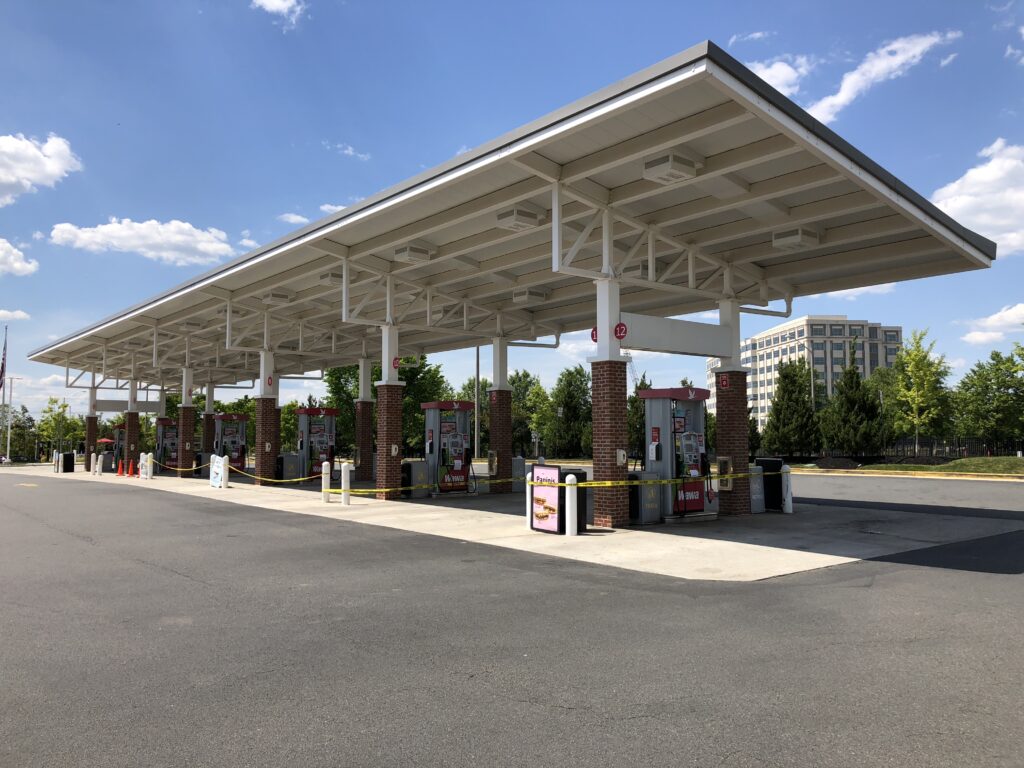
Colonial Pipeline, 2021
A ransomware attack halted fuel flows across the U.S. East Coast, exposing the fragility of pipeline operations and regional supply chains.

SolarWinds, 2020
A trusted software update was weaponized, allowing attackers to infiltrate networks across government and industry worldwide.
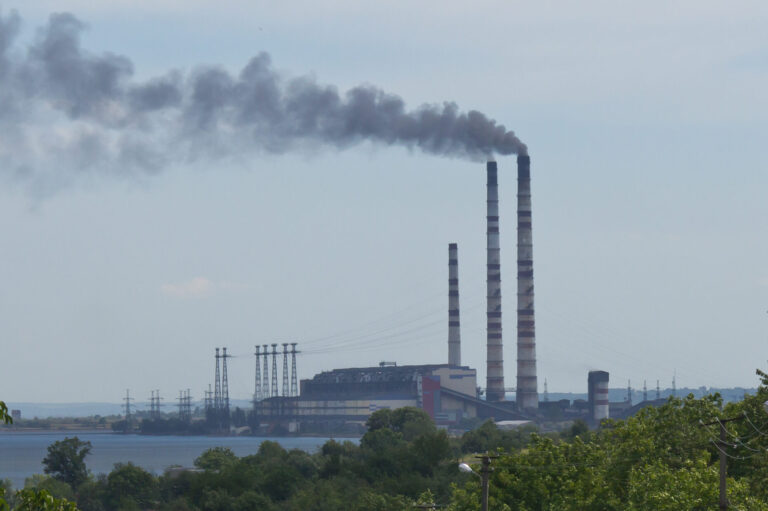
Ukraine, ’15–16
Coordinated cyber intrusions into power utilities led to widespread outages, marking one of the first known cyber-induced blackouts.
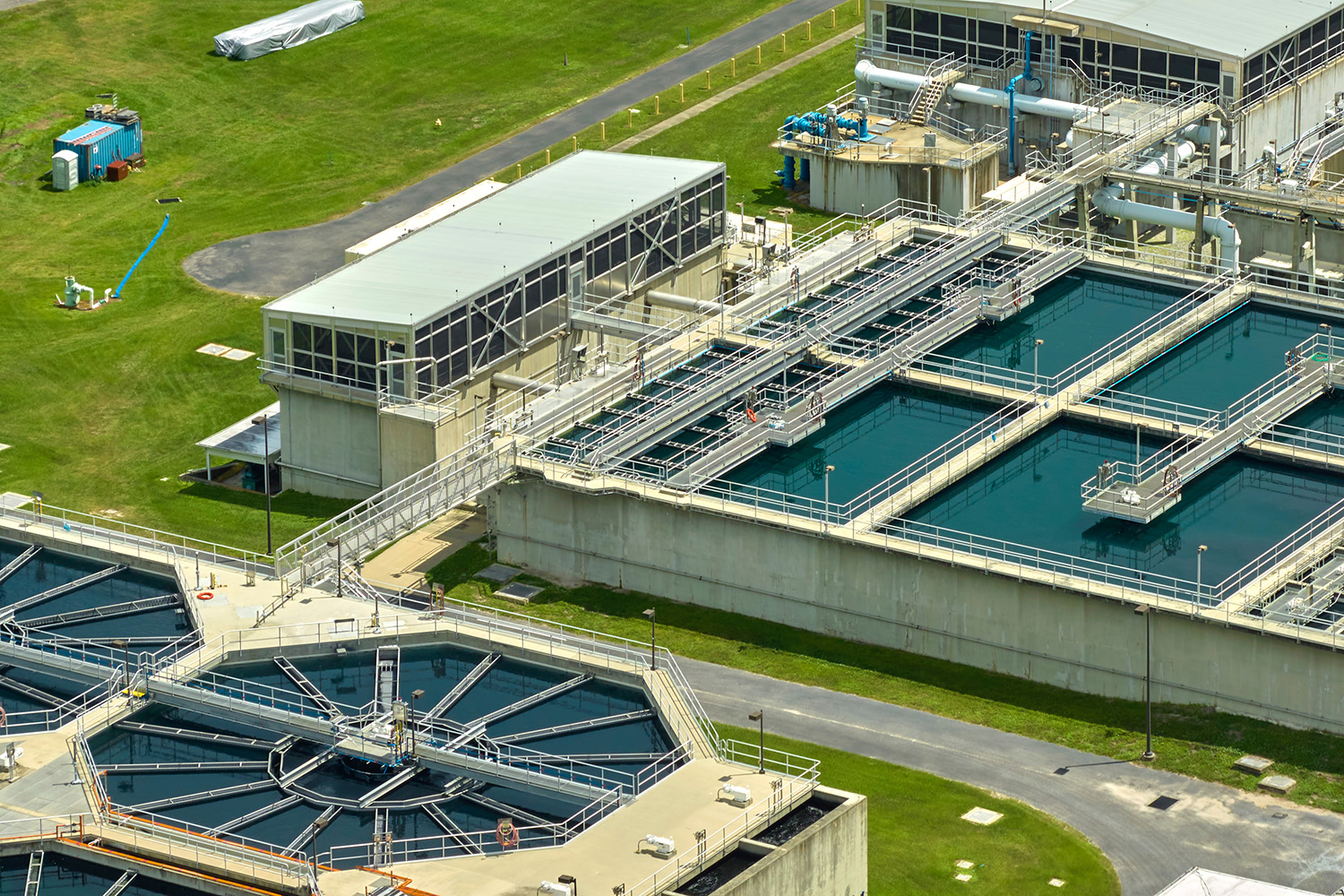
USA, ’23–24
Weak cyber defenses let foreign hackers disrupt U.S. critical infrastructure—threatening daily life and public trust.
What is Critical Infrastructure?
While all infrastructure plays a role, some infrastructure systems are more critical than others. These assets and systems are so vital that their incapacitation or destruction would have a debilitating effect on security, the economy, public health, public safety, or any combination thereof.
Cybersecurity and cybersafety are vital to critical infrastructure security and protection because interconnected digital systems run essential services, making them prime targets for sophisticated attackers seeking to cause real-world disruption, economic damage, and threats to public safety. This necessitates strong, agile, and proactive cyber defenses to maintain national security and essential functions.
Critical infrastructure provides the services that are the backbone of our national and economic security and the health and well-being of all Americans.
cybersecurity and infrastructure security agency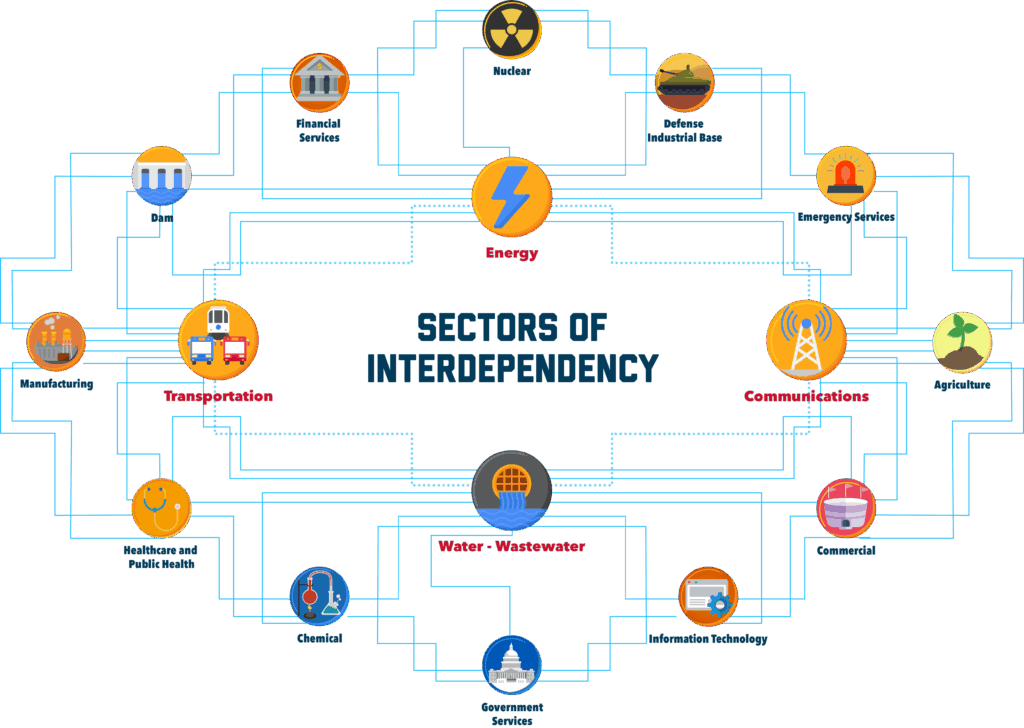
The 16 sectors of interdependent Critical Infrastructure. Each icon represents a complex, cascading series of operations, the compromise of which can cause significant disruption to daily life and the homeland. Expert Voices
This conference brings together practitioners, policymakers, and researchers who manage cyber-physical risk every day. Through keynotes, planes, and case studies, they will explore how to protect interconnected systems, especially in the context of high-profile events and complex operating environments.
Preparing for LA28: Cyber Resilience for a Global Mega-Event
The 2028 Olympic and Paralympic Games in Los Angeles (LA28) will rely on a dense web of digital and physical infrastructures—transportation, networks, energy systems, smart venues, payment platforms, broadcast operations, and public safety technologies.
Conference experts will explore questions such as:
- How do organizers plan for cyber threats that could disrupt transportation, ticketing, or live broadcast systems?
- What does coordinated security look like across local, state, federal, and private-sector partners?
- How are lessons from previous mega-events being applied to LA28 planning?
“The Olympics are a life test of our ability to protect highly visible, highly connected systems. LA28 is not just a sports event—it’s a resilience challenge.”
Learn to Lead in an Interdependent World
The George Washington University’s College of Professional Studies and GW RevU offer academic programs and professional learning experiences that prepare leaders to understand, model, and manage complex risks—from LA28-style mega-events to localized disruptions that ripple across communities.
Homeland Security Master’s Program
Develop the strategic perspective needed to assess threats, coordinate across agencies, and safeguard the nation’s critical functions.
Coursework emphasizes risk analysis, policy, and crisis leadership in interconnected environments.
Explore the Homeland Security program
Cybersecurity Strategy & Information Management
Examine the convergence of cyber and physical security, the governance of complex systems, and the protection of critical infrastructure. Learn to translate technical risk into strategic decisions for executives and policymakers.
View Cybersecurity Courses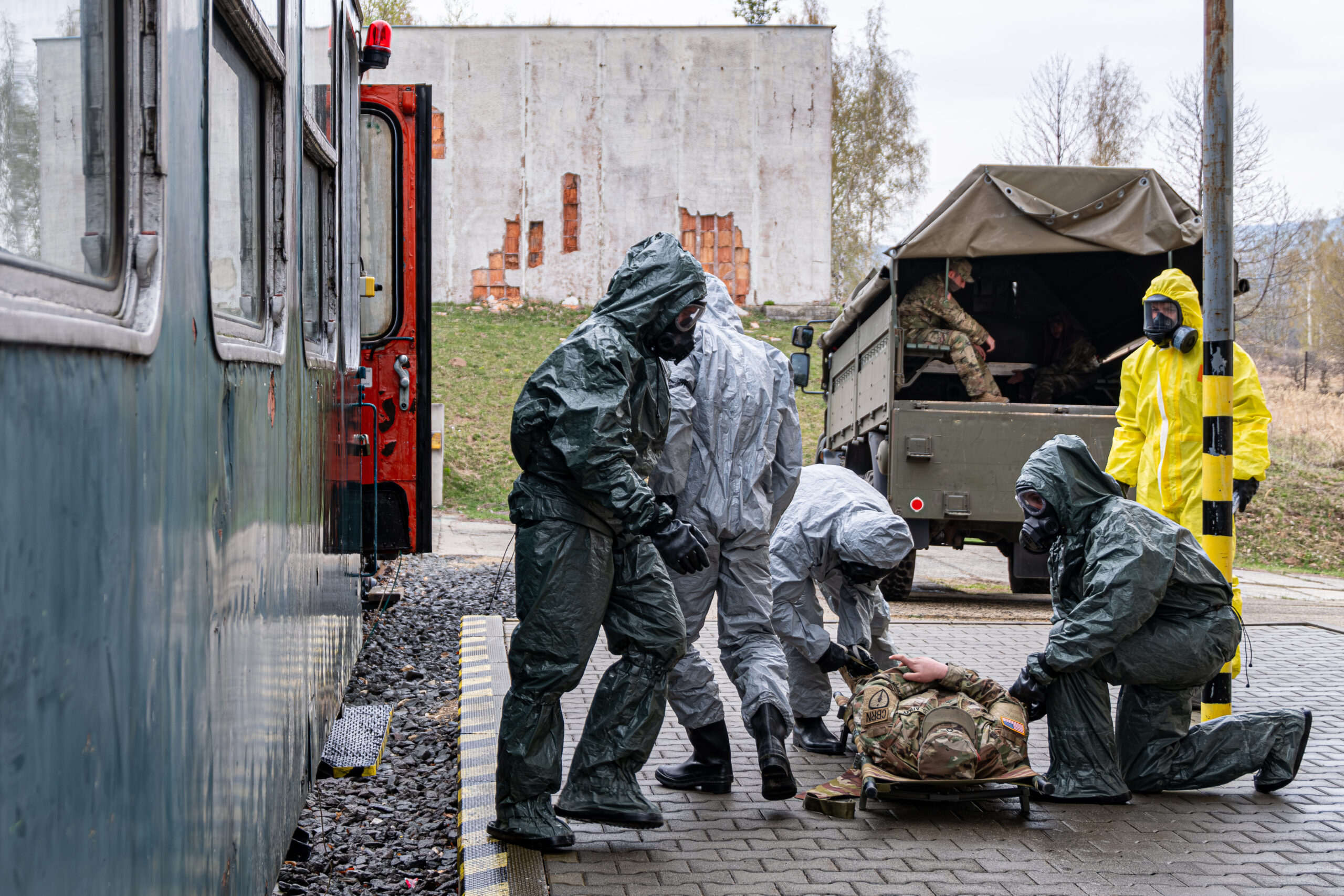
GW RevU: Emergency Management, CBRNE, and Resilience
Through short courses and scenario-based exercises, GW RevU helps practitioners practice decision-making in high-pressure environments—incidents like cyber-enabled grid failures, large-scale disasters, and mega-events such as LA28.
Learn with GW RevU2025 CONFERENCE HIGHLIGHTS
The 2025 Cybersecurity, Stronger Together event brought together top experts, innovators, and thought leaders to explore emerging threats, cutting-edge technologies and the evolving cyber landscape. Featuring insightful keynotes and dynamic panels, the conference provided actionable strategies for professionals across government, industry and academia.
Check out the conference highlights including a video, photos, speaker bios, panel information, GW Today story and more! Whether revisiting key moments or watching for the first time, dive in and explore the critical ideas shaping the future of cybersecurity!
VIEW LAST YEAR’S RECAP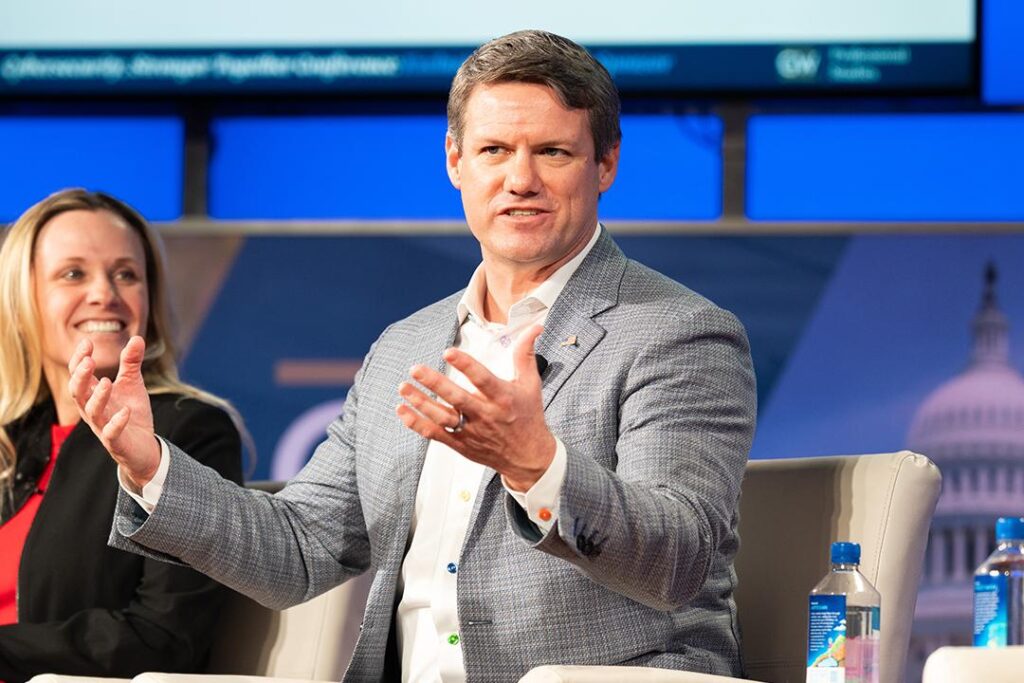
Matt Hayden VP of Cyber Client Engagement, General Dynamics Information Technology (GDIT); CPS Dean’s Advisory Council Member. Keynote addresses from national cyber and homeland security leaders.
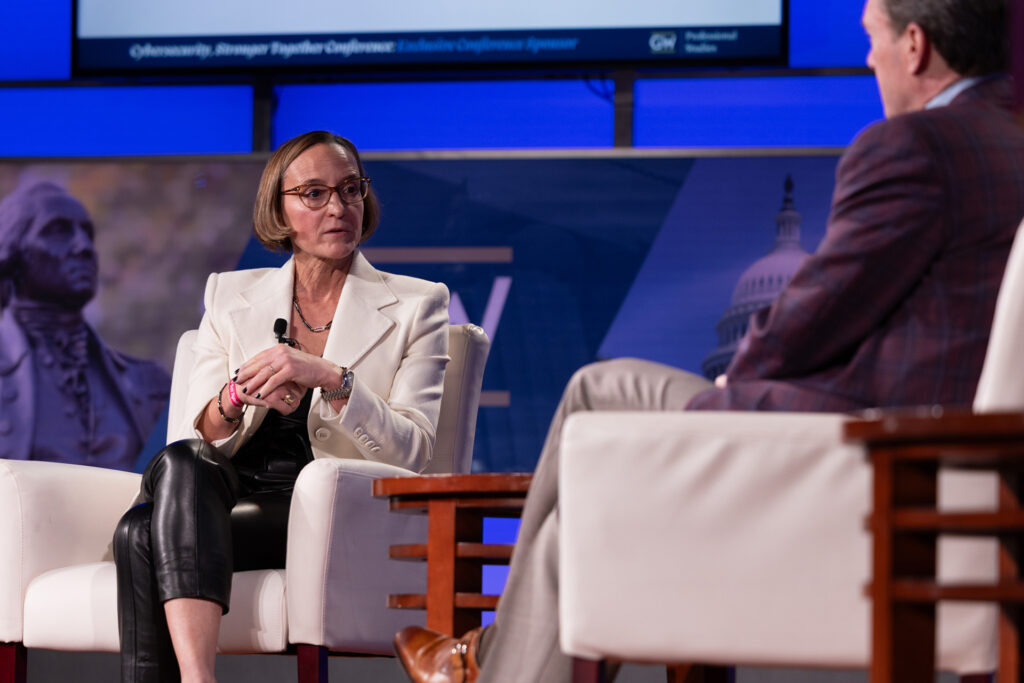
AI can be helpful in meeting some of the cybersecurity challenges ahead, keynote speaker Amy Gilliland told Roger Cressey. (Sarah Hochstein / GW Today) Panels on public-private collaboration, emergency operations, and critical infrastructure resilience.
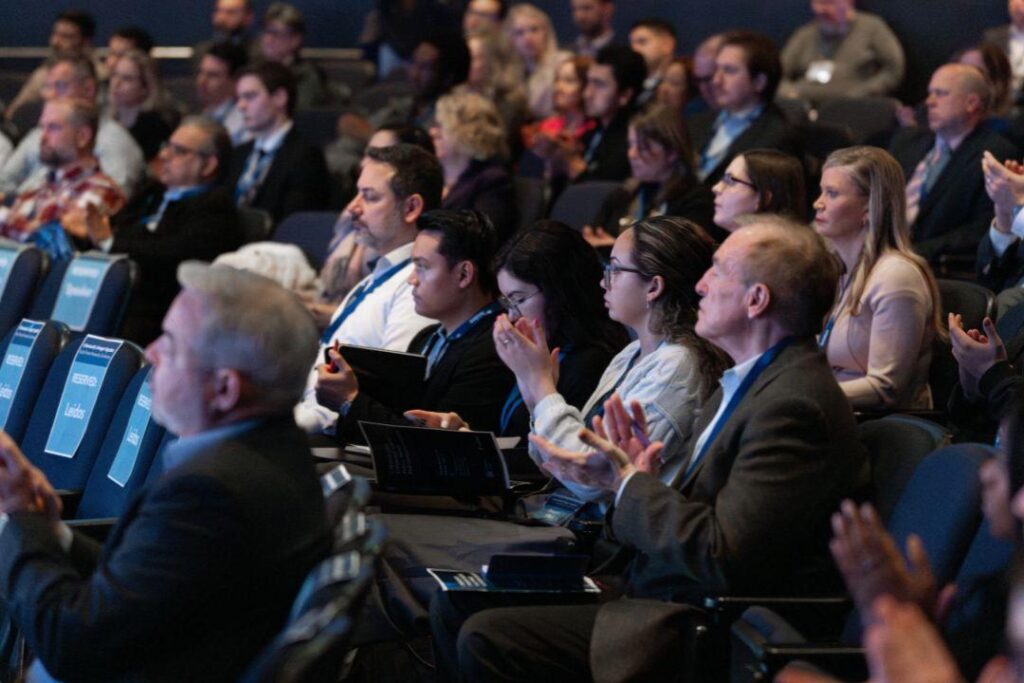
Crowded auditorium at the well attended 2025 Cybersecurity Stronger Together Conference. Networking sessions connecting students with seasoned practitioners.

Debbie Sallis, Founding Executive Director, The Cyber Guild Foundation. Live scenario exercises illustrating cascading impacts and decision-making under stress.
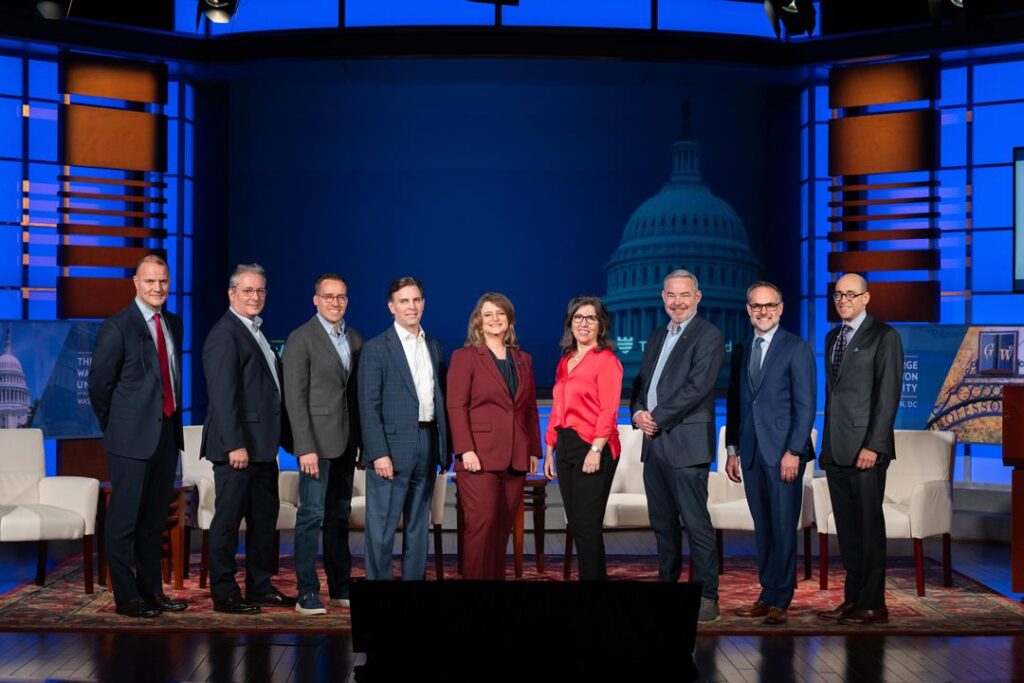
Darbay LaJoy, Sean Stalzer, Devin Lynch, Peter Eck, Liesl Riddle, Debbie Sallis, Paul Becman, Michael Matechak, and Eric Wenger onstage. Expert voices from across the cybersecurity space.
Powered by Our Partners & Community
Cybersecurity, Stronger Together is made possible through collaboration with government agencies, industry partners, and academic leaders who share a commitment to building resilient systems.
We are proud to partner with organizations working at the forefront of cybersecurity, emergency management, and critical infrastructure protection.
Co-Sponsored by GW’s College of Professional Studies and The Cyber Guild












- Homeland Security
-
-





2026 CONFERENCE SPONSORSHIP OPPORTUNITIES
To explore sponsorship opportunities for next year’s conference and align your organization with the leaders shaping the future of cybersecurity, we invite you to consider our various sponsorship levels. These opportunities not only provide visibility at the 2026 Cybersecurity, Stronger Together – The Conference, but also extend to our Cybersecurity, Stronger Together – The Webinar Series, which keeps the dialogue going year-round. Sponsorship benefits vary based on level, offering options for brand exposure, thought leadership, and engagement with key stakeholders from government, industry, and academia.
For more information on how your organization can participate and make an impact, please contact Joseph Nolan at joseph.nolan@gwu.edu.
CONTACT US
For more information, please contact us at cpsevents@gwu.edu.