- Cybersecurity
-
-
PARTNERS
- Homeland Security
-
-
HOMELAND SECURITY
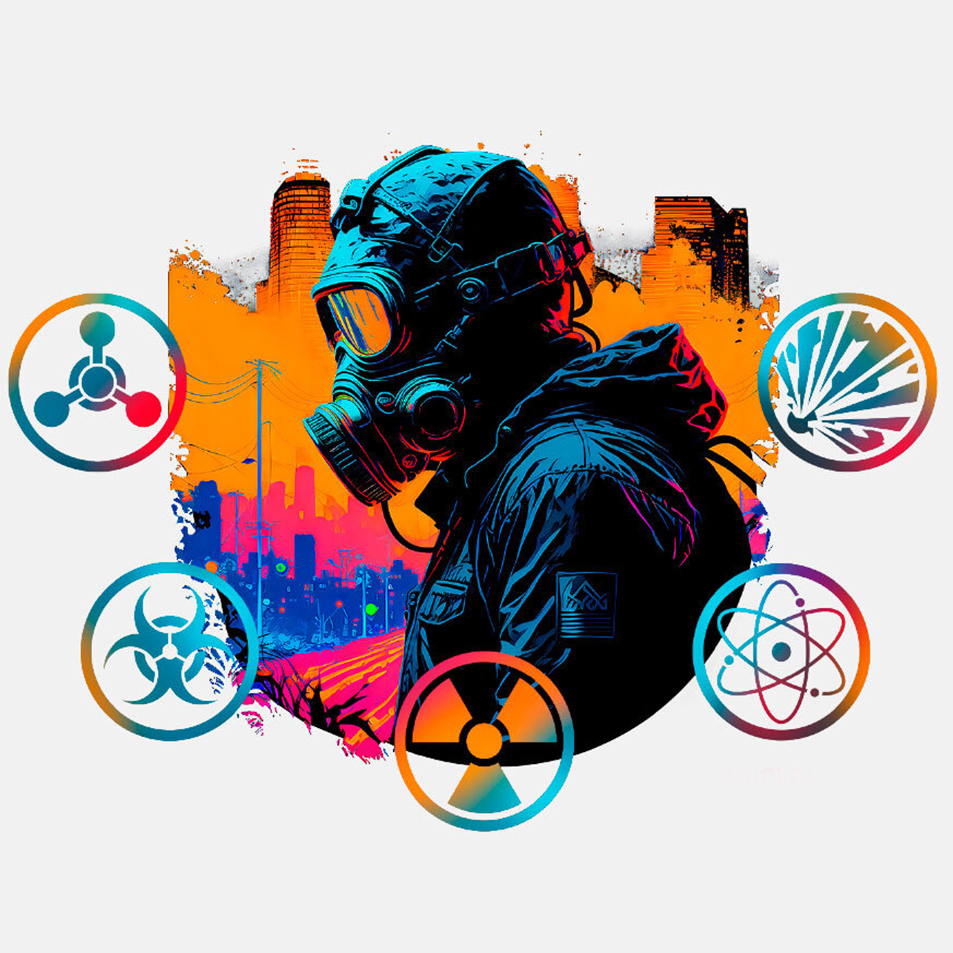
Chemical. Biological. Radiological. Nuclear. Explosive. WMDs. Asymmetric Threats.
The CBRNE-WMD credentials program is a robust training series designed to prepare early and developing professionals for the complexities of a dynamic and evolving threat environment. Three interdependent certificates that deal with policy, mitigation, and emerging threats will propel you towards an immersive capstone in Washington, D.C. and the next steps in your career protecting our nation.
-
-
Project Management Professional Boot Camp (1w) 2026
The PMP certification proves you have the project leadership and expertise in any work of working: predictive, hybrid, or agile. It demonstrates your ability to lead projects without being tied to any specific industry or geographic location.
ABOUT THIS COURSE
TBA
Overview
Modality
Online
Format
Asynchronous
Pricing
$3395.00
Partner
RevU
Topic
Business and Management
General
Leadership
Course Dates
- Dates: 1/19 – 1/23, 2026
Why Choose GW RevU for Your PMP?
- Join the GW Brand – Learn with the credibility and reputation of The George Washington University.
- Expert-Led Instruction – Courses taught by GW faculty with real-world industry experience.
- Interactive Learning – Live, synchronous sessions paired with dedicated exam prep time.
- Flexible Support – Personalized office hours scheduled around your availability.
- Expand Your Network – Connect with peers and professionals in the field.
- Direct Support – Connect with our Cybersecurity experts for one-on-one assistance.
COURSE REQUIREMENTS
To be eligible for a PMP certificate, you must meet one of three sets of requirements. For more information on these requirements see PMI Path to PMP certification. Broadly, these are:
- Set A: High school or second diploma; 60 months/5 years experience in leading and managing projects; 35 hours of project management education/training (CAPM, PMP Exam Prep Course, Instructor-Led PMP course);
- Set B: Bachelors degree or higher; 36 months/3 years in leading and managing projects; 35 hours of project management education/training (as for Set A); and
Set C: Bachelor’s degree or higher from GAC-accredit program; 24 months/2 years experience in leading and managing projects; 35 hours of project management education/training.
COURSE SYLLABUS
- People. Focuses on leadership, team building, conflict resolution, communication, and stakeholder engagement to enable high-performing project teams.
- Process. Covers the technical aspects of project management, including planning, execution, monitoring and controlling scope, schedule, cost, quality, risk, procurement, and integration using predictive, agile, and hybrid approaches.
- Business Environment. Emphasizes aligning projects with organizational strategy, governance, compliance, benefits realization, and delivering measurable business value.
- Predictive Project Management. Addresses traditional, plan-driven methods, including detailed upfront planning, defined requirements, and controlled change management.
- Agile Project Management. Focuses on adaptive and iterative approaches, servant leadership, continuing improvement, and delivering value through incremental releases.
- Hybrid Project Management. Explores combining predictive and agile practices to tailor project delivery methods to organizational and project needs.
- Risk and Uncertainty Management. Examines identifying, analyzing, and responding to project risks, issues, and uncertainty to protect objectives and outcomes.
- Stakeholder and Communication Management. Concentrates on identifying stakeholders, managing expectations, and ensuring effective communication throughout the project lifecycle.
RELATED COURSES
Come Explore What GW RevU Can Offer You
Some programs may offer scholarships, senior discounts, incentives, or employer sponsorship opportunities. Federal financial aid typically does not apply to noncredit programs.
Tuition varies by program. Course fees are listed in the online catalog. Payment is usually accepted by credit card, e-check, or other approved methods.
Most lifelong learning courses are noncredit, designed for professional development or personal enrichment. Select programs may offer academic credit, or continuing education units (CEUs) or an equivalent (e.g. CEH).
A reliable internet connection, computer or tablet, and a current web browser are typically required. Some courses may require a webcam or specialized software, but these requirements will be listed in the course catalog and additional details provided in the course.
Yes, some programs provide CEUs (CEH), which may be used to meet professional licensing or credentialing requirements. CEU information will be listed in each course description.
Courses range from single-day workshops to multi-week programs. The length and schedule of each course is listed in the course catalog.
Most courses are held on the GW campuses in Washington D.C., the DMV area, or at designated learning centers. Location details, including parking and transportation options, are provided upon registration.
If you have selected a GW RevU course, you can simply click on “My Course” at the top of the page to be taken to your Dashboard where all the courses that you have registered for our listed.
On the other hand, if you are participating in a course provided by one of our partners or in a private instance (e.g. CBRNE) you would have been sent an email with the private URL to access your dashboard. Please search your full email (inbox and spam, etc.) to find the registration email from “Noodle”.
Our programs are open to adult learners from all backgrounds. Some courses may be designed for specific audiences (such as working professionals, senior learners, or pre-college students), but most do not require previous academic experience.
Generally, participants must be 18 or older. Some programs offer special enrollment opportunities for high school students or senior citizens—check individual course details for eligibility.
We offer a variety of noncredit courses, professional certificate programs, workshops, and enrichment opportunities. Options range from short seminars to multi-week courses.
Registration is available online through our course catalog. Simply select the course you’re interested in and follow the enrollment instructions.
If a course reaches capacity, you may be placed on a waitlist. We will notify you if a seat becomes available.
Most courses do not have prerequisites. If a program requires specific background knowledge or experience, it will be clearly stated in the course description.
Refunds are available if you withdraw by the published deadline, usually a few days before the course begins. After the deadline, refunds may not be granted. Please review the course-specific refund policy before registering.
Many programs award a certificate of completion. Professional programs may also issue a digital badge or CEU (or equivalent). Degrees are not awarded through lifelong learning courses.
We offer in-person, online, and hybrid courses. Delivery format will be noted in the course listing.
Yes. If you experience issues with logging in, Zoom, or accessing course materials, our support team is available to help.
You can join our mailing list, follow us on social media, or regularly check our website for updates on upcoming programs.
Yes. We partner with organizations to design and deliver customized training programs. Contact our office to discuss your organization’s needs.
Yes. We are committed to providing accessible learning experiences. Please contact us before your course begins to request accommodations. If you have any questions, please do not hesitate to contact us at revu@gwu.edu.
Georgie
- Homeland Security
-
-