- Cybersecurity
-
-
PARTNERS
- Homeland Security
-
-
HOMELAND SECURITY
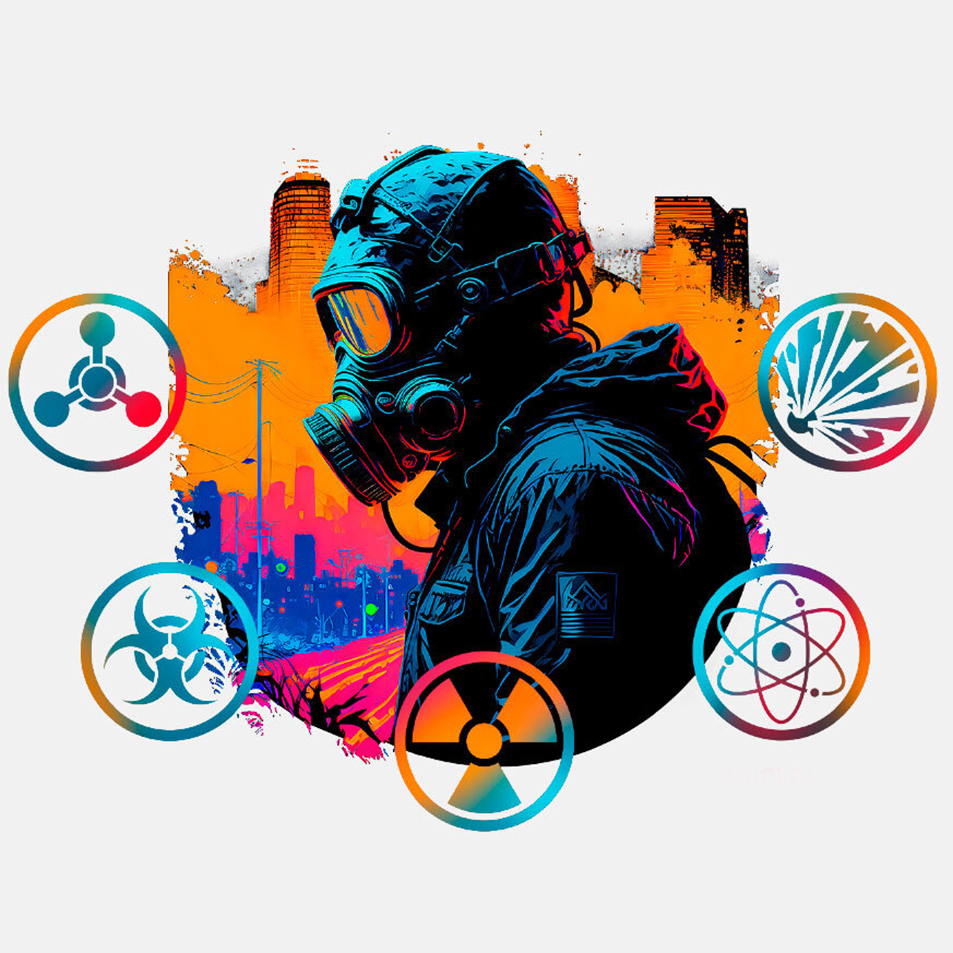
Chemical. Biological. Radiological. Nuclear. Explosive. WMDs. Asymmetric Threats.
The CBRNE-WMD credentials program is a robust training series designed to prepare early and developing professionals for the complexities of a dynamic and evolving threat environment. Three interdependent certificates that deal with policy, mitigation, and emerging threats will propel you towards an immersive capstone in Washington, D.C. and the next steps in your career protecting our nation.
-
-
Blockchain Fundamentals by ISACA
Demand for IT professionals skilled in blockchain is rising due to its enterprise market value’s growth expected to reach $19.9 Billion by 2025. With Blockchain fundamentals, you’ll learn what’s essential to show an understanding of what is considered the most significant technological innovation since the internet. The course covers fundamental principles and concepts, application of technologies to leverage blockchain, and usage and considerations.
ABOUT THIS COURSE
Demand for IT professionals skilled in blockchain is rising due to its enterprise market value’s growth, which is expected to reach $19.9 billion by 2025. With Blockchain Fundamentals, you’ll learn what’s essential to show an understanding of what is considered the most significant technological innovation since the internet. This certificate covers three domains: Blockchain Principles & Concepts; Ability to Apply Technologies Essential to Leveraging Blockchain; and Blockchain Usage & Considerations.
Learn how to leverage your in-demand knowledge and ability in blockchain to elevate your IT career.
You’ll be able to access your study materials and performance-based labs on demand—and you’ll earn 5 CPE upon completion.
Additional Resources
Certified in Emerging Technology
Blockchain Fundamentals is one of four courses that make up a broad certification: Certified in Emerging Technology. Along with fundamental certifications in AI, Cloud, and Internet of Things, the Certified in Emerging Technology puts you on the cutting edge of your career in technologies that are shaping the world.
For more information on how to start upon your path to being on the bleeding edge of technology, see ISACA’s Certified in Emerging Technology.
Overview
Modality
Online
Format
Asynchronous
Pricing
$549.00
Partner
RevU
Topic
Cloud
CyberForge
Data and Visualization
Information Technology and Engineering
ISACA
Price Includes
- ISACA Student Membership
- Certificate Exam
- Review Manual
- Online Review Course
COURSE REQUIREMENTS
There are no prerequisites. You can register for the Blockchain Fundamentals exam at any time. The online, remotely proctored 2-hour exam blends both knowledge (multiple-choice) and performance-based questions set in a virtual lab environment. To pass the exam, you must earn a score of 65% or higher.
Domains
- Blockchain Concepts (67%)
- Blockchain Usage and Considerations (33%)
COURSE SYLLABUS
With Blockchain Fundamentals, you’ll learn what’s essential to show an understanding of what is considered the most significant technological innovation since the internet, including fundamental principles and concepts, application of technologies to leverage blockchain, and usage considerations.
Blockchain Concepts: This domain encompasses the foundational aspects of blockchain technology, including its history, underlying principles, processes, models, and infrastructure. Key topics covered are:
- History and Evolution: Understanding the origins of blockchain and its development alongside cryptocurrencies.
- Blockchain Processes and Models: Exploring how blockchains function and the various models that exist.
- Infrastructure and Architecture: Examining the systems and architectural components that support blockchain technology.
- Interoperability: Discussing how different blockchain systems interact and integrate with each other.
- Tokenization and Cryptocurrencies: Identifying different types of tokens and crypto assets within the blockchain ecosystem.
- Major Blockchain Platforms: Reviewing prominent blockchain platforms, their characteristics, and considerations for implementation.
Blockchain Usage and Considerations: This domain focuses on the practical applications of blockchain technology and the factors to consider when implementing it. Key topics include:
- Use Cases: Identifying and analyzing various applications of blockchain across different industries.
- Implementation Considerations: Understanding the challenges, best practices, and strategic approaches to deploying blockchain solutions.
Successful students will receive an internationally recognized badge from ISACA.
RELATED COURSES
Come Explore What GW RevU Can Offer You
Some programs may offer scholarships, senior discounts, incentives, or employer sponsorship opportunities. Federal financial aid typically does not apply to noncredit programs.
Tuition varies by program. Course fees are listed in the online catalog. Payment is usually accepted by credit card, e-check, or other approved methods.
Most lifelong learning courses are noncredit, designed for professional development or personal enrichment. Select programs may offer academic credit, or continuing education units (CEUs) or an equivalent (e.g. CEH).
A reliable internet connection, computer or tablet, and a current web browser are typically required. Some courses may require a webcam or specialized software, but these requirements will be listed in the course catalog and additional details provided in the course.
Yes, some programs provide CEUs (CEH), which may be used to meet professional licensing or credentialing requirements. CEU information will be listed in each course description.
Courses range from single-day workshops to multi-week programs. The length and schedule of each course is listed in the course catalog.
Most courses are held on the GW campuses in Washington D.C., the DMV area, or at designated learning centers. Location details, including parking and transportation options, are provided upon registration.
If you have selected a GW RevU course, you can simply click on “My Course” at the top of the page to be taken to your Dashboard where all the courses that you have registered for our listed.
On the other hand, if you are participating in a course provided by one of our partners or in a private instance (e.g. CBRNE) you would have been sent an email with the private URL to access your dashboard. Please search your full email (inbox and spam, etc.) to find the registration email from “Noodle”.
Our programs are open to adult learners from all backgrounds. Some courses may be designed for specific audiences (such as working professionals, senior learners, or pre-college students), but most do not require previous academic experience.
Generally, participants must be 18 or older. Some programs offer special enrollment opportunities for high school students or senior citizens—check individual course details for eligibility.
We offer a variety of noncredit courses, professional certificate programs, workshops, and enrichment opportunities. Options range from short seminars to multi-week courses.
Registration is available online through our course catalog. Simply select the course you’re interested in and follow the enrollment instructions.
If a course reaches capacity, you may be placed on a waitlist. We will notify you if a seat becomes available.
Most courses do not have prerequisites. If a program requires specific background knowledge or experience, it will be clearly stated in the course description.
Refunds are available if you withdraw by the published deadline, usually a few days before the course begins. After the deadline, refunds may not be granted. Please review the course-specific refund policy before registering.
Many programs award a certificate of completion. Professional programs may also issue a digital badge or CEU (or equivalent). Degrees are not awarded through lifelong learning courses.
We offer in-person, online, and hybrid courses. Delivery format will be noted in the course listing.
Yes. If you experience issues with logging in, Zoom, or accessing course materials, our support team is available to help.
You can join our mailing list, follow us on social media, or regularly check our website for updates on upcoming programs.
Yes. We partner with organizations to design and deliver customized training programs. Contact our office to discuss your organization’s needs.
Yes. We are committed to providing accessible learning experiences. Please contact us before your course begins to request accommodations. If you have any questions, please do not hesitate to contact us at revu@gwu.edu.
Georgie
- Homeland Security
-
-